

greentownaccountants Logo Greentownaccountants Contact Us
Contact Us

Newtown Abbey Ruins Heritage Walk

Discover 13th-century medieval stonework and wildflower meadows on this gentle 3-mile loop through history

10 min read Intermediate June 2026
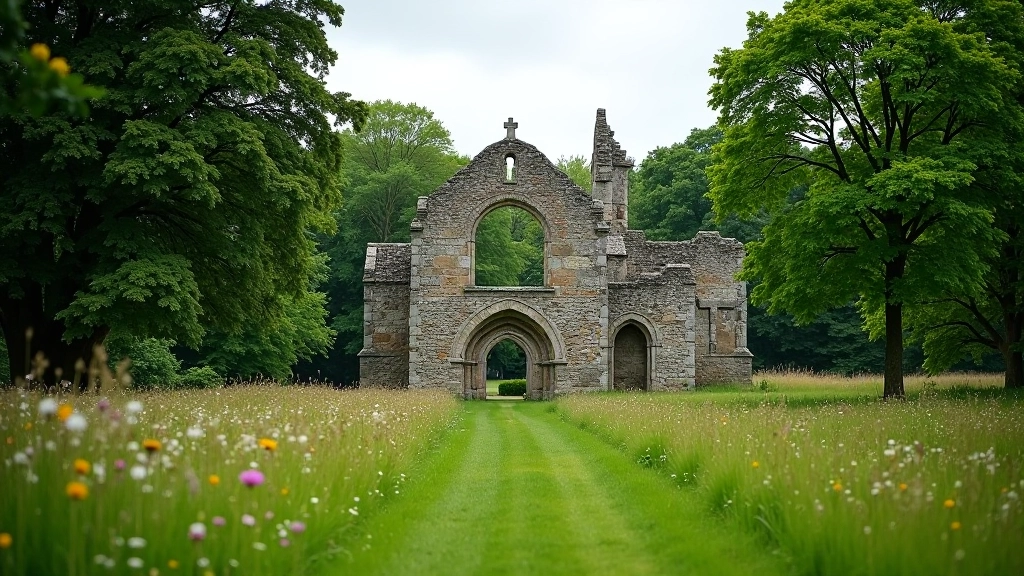
Newtown Abbey ruins with weathered stone walls surrounded by overgrown meadow and wildflowers in summer light

What You'll Experience

Newtown Abbey isn't just another walk—it's a step back into medieval Ireland. You're walking through genuine 13th-century ruins, not reconstructions. The abbey's stone walls still stand after 800 years, weathered but proud, surrounded by the kind of wildflower meadows that make you forget you're only a few miles from modern towns.

The 3-mile loop is manageable for most people. It's not steep, the paths are generally clear, and you'll have plenty of chances to sit and absorb the atmosphere. Plus, you'll see how this area changed over centuries—from thriving monastery to peaceful ruins to nature reclaiming its space.

The Route Breakdown

Starting from the main ruins, you'll follow a loop that takes you through different sections of the monastery complex. The first section covers about a mile through the core ruins—you'll see the church foundations, remnants of the cloisters, and a small graveyard where locals were buried centuries ago.

Key Distances & Times

  • Main loop: 3 miles total
  • Core ruins section: 1 mile
  • Meadow circuit: 2 miles
  • Typical completion time: 1.5 to 2 hours
  • Elevation gain: minimal (under 100 feet)

The second half loops through open meadows where you'll actually see how the landscape works around the ruins. In summer, these meadows explode with wildflowers—buttercups, daisies, and purple vetch create a natural carpet beneath your feet. It's peaceful and genuinely beautiful without being manicured.

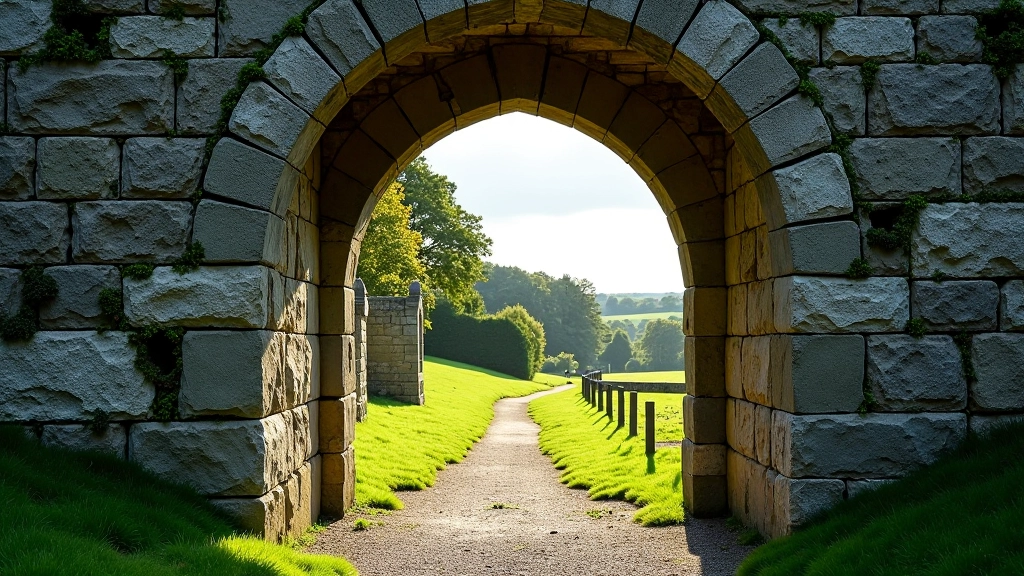
Stone archway from medieval abbey with moss-covered walls and natural lighting through the opening
Wildflower meadow with purple vetch and yellow buttercups stretching toward distant tree line under blue sky

What Makes This Walk Special

Most heritage walks in Meath focus on castles or battles. This one's different because it's about understanding how monks actually lived here. You're not just looking at old stones—you're seeing where they prayed, worked, slept, and ate. The layout of the ruins tells the story of daily monastic life.

The combination of history and nature is what really sets it apart. You won't feel like you're trudging through a museum exhibit. Instead, you're walking through a living landscape where history has literally been absorbed into the earth. Trees grow through windows, wildflowers fill courtyards, and the whole place feels organic rather than preserved.

Best time to visit is late May through August when the wildflowers are at their peak. Spring brings bluebells in the wooded sections. Even autumn has its appeal—golden light and fewer visitors.

Planning Your Visit

Access & Parking

There's a small car park near the main entrance—nothing fancy, but it's free and usually has space. The ruins are well-signposted from the main road. If you're using GPS, search for "Newtown Abbey Ruins" and you'll land in the right spot. The entrance is accessible even if you've got mobility issues, though some of the paths beyond the main area get rougher.

What to Bring

Wear good walking boots—the meadow paths can be muddy even days after rain. Bring water because there's no shelter from sun in the open sections. A camera is worth carrying if you're interested in photography. Don't rely on your phone for navigation; the signal's patchy out there. A light waterproof helps, especially in spring.

Best Conditions

Go after a dry spell if possible—muddy sections aren't dangerous, just unpleasant. Avoid midday heat in July and August; early morning or late afternoon is more comfortable and the light is better for photographs. Weekday visits are quieter than weekends. Allow 2 hours if you're taking your time, which you should.

The Abbey's Story

Newtown Abbey was founded around 1200 as a Cistercian monastery. The Cistercians were known for settling in remote places and building communities from scratch. They chose this valley because it had water, good land, and isolation—exactly what they needed for monastic life focused on prayer and manual labor.

The abbey thrived for over 400 years. At its peak, there were probably 30-40 monks living here, plus workers and servants. They farmed, made cheese, brewed beer, and maintained the buildings. Then came the Dissolution in the 1500s when King Henry VIII broke with Rome and seized monastery lands. Newtown Abbey was abandoned, its lands given away, and the buildings left to crumble.

What you see now is mostly from the 14th and 15th centuries—the late medieval period when the abbey was most prosperous. The church walls are still recognizable, and if you look closely, you can spot carved stones that probably came from earlier structures, reused and built into newer walls. It's like reading layers of history.
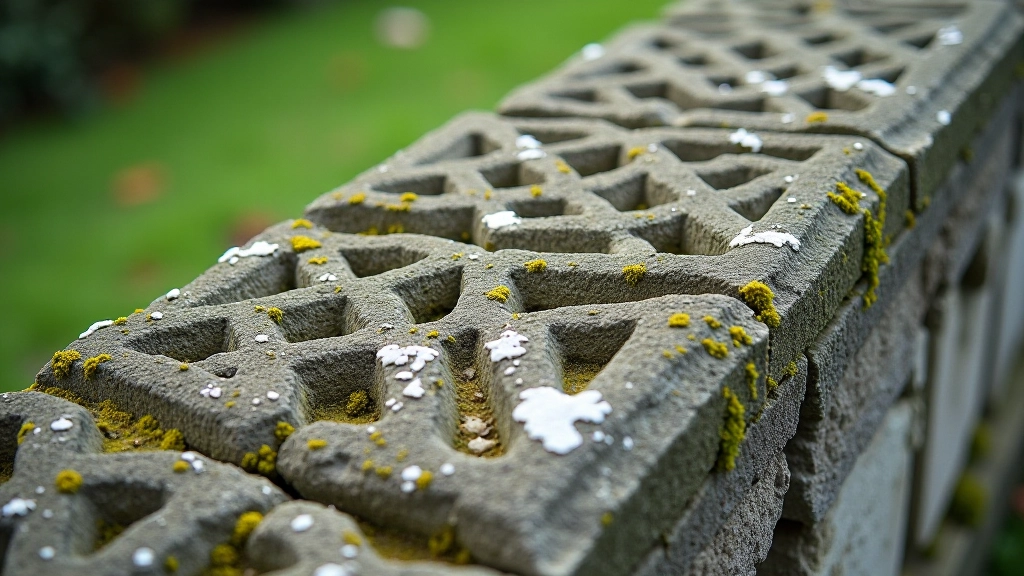
Close-up of weathered carved stone detail from medieval abbey wall showing geometric patterns and erosion
Síle O'Connell

Síle O'Connell

Senior Heritage & Wellness Walks Editor

Heritage tourism specialist and walking route expert with 14 years' experience creating accessible trail guides for retirees across Ireland's Boyne Valley.

Important Information

This article provides general information about the Newtown Abbey Ruins Heritage Walk. Conditions can change seasonally—paths may be muddy, weather unpredictable, and access occasionally restricted for conservation work. Always check local conditions before you go, bring proper footwear and weather protection, and be prepared to turn back if paths become unsafe. The site is an archaeological monument; please respect it by staying on marked paths and not removing anything. If you've got specific mobility concerns, contact the local heritage office beforehand to discuss accessibility options.